Tips for success
Most family book clubs fail the same way: they turn into school. Somebody asks what the theme was, a kid shrugs, and nobody suggests a second meeting. We've found the fix is a change in posture, not better questions. You're not checking whether they read the book. You're finding out what they think of it.
Keep it short, bring snacks. Twenty minutes is plenty, and snacks turn it from an assignment into an occasion.
Everyone answers, parents too. If you ask which character they'd want along on a road trip, you answer as well, honestly. The first time a child hears a parent say something true and a little surprising about a book, the club becomes real.
Skip the quizzes. Nobody has to prove they read chapter four. If someone missed it, the rest of the table will happily fill them in, and that's the club working.
Listening counts. The club is about the story, not the reading level. A six-year-old who heard the book read aloud has as much standing as anyone at the table, and the youngest chair often has the most interesting answer.
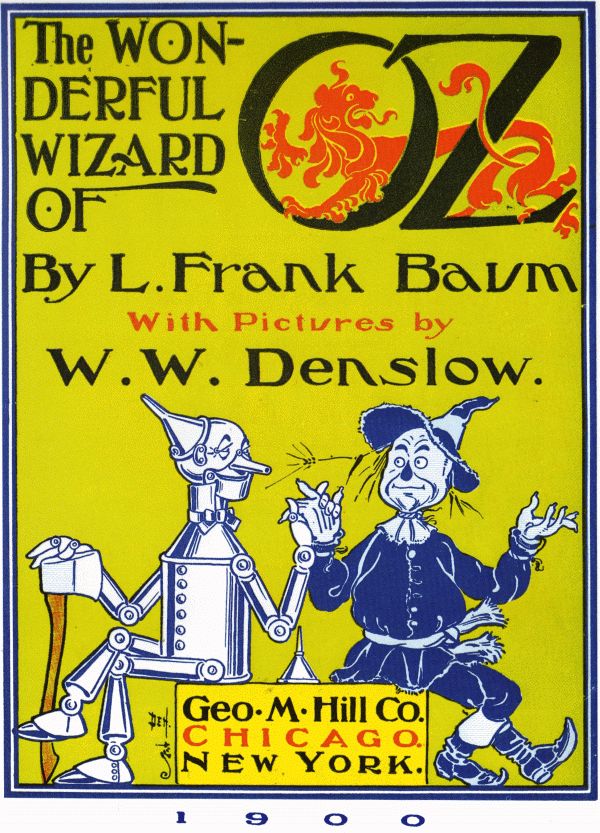
Our questions don't have right answers on purpose. When two kids argue about whether the Wizard was a liar or a helper, let them argue; that is the whole point of reading together. Every guide below has the same shape: a couple of warm-ups anyone can answer, a handful of real questions (pick two or three, not the whole list), one big question to save for last, and something to do together that isn't talking.