01
The horse tells it himself
Beauty narrates his own life — meadow, masters, London cabs — and kids fall completely into seeing the world through his eyes.
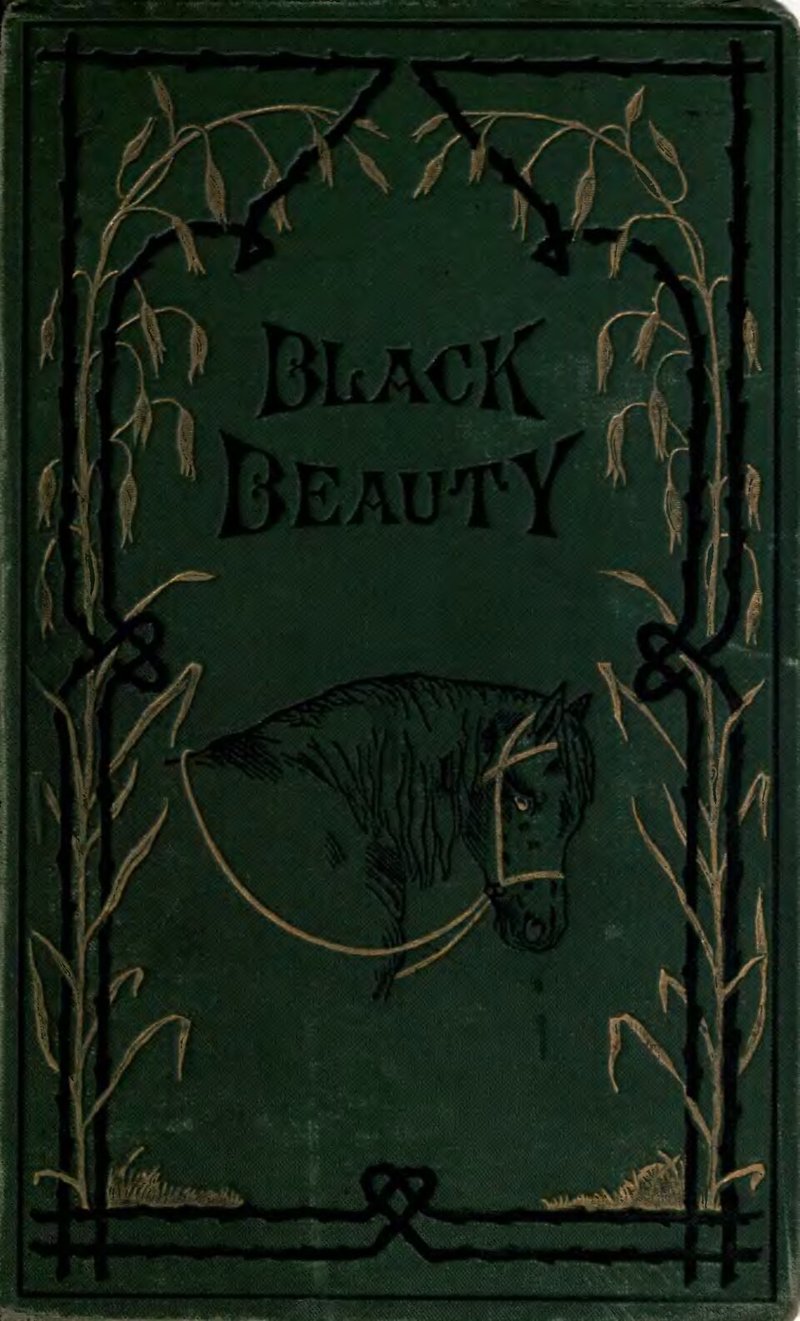
The original horse book, told in the horse's own voice — making animal-lovers out of kids for 150 years.
EPUB works on any device · two-minute setup guide → ·listening, print & film links go to Amazon (affiliate)
Beauty narrates his own life — meadow, masters, London cabs — and kids fall completely into seeing the world through his eyes.
Forty-nine bite-sized chapters, each a small complete story. Easy to read a little every night without losing the thread.
No talking-animal cuteness — just the inner life of a horse, told straight. Kids who suspect animals feel things finally get a book that agrees.
A horse tells his own life story — from a sunny meadow through kind masters, careless ones, and the brutal cab trade of Victorian London. Written to make people treat horses better, it accidentally became the book that has made animal-lovers out of children for almost 150 years.
The horse-mad kid needs no persuading; this is the original horse book, the one the pony series descend from. Beauty tells his own story, and Sewell wrote plainly on purpose, so confident grade-4 readers can manage the words. The feelings run deeper than the vocabulary. Read the content note before handing it over; Ginger’s story has been making readers cry for a hundred and fifty years.
Anna Sewell’s England of 1877 moved entirely by horse — every cab, bus, plough, and delivery cart — so the book’s world was simply the street outside every reader’s window. Fashionable owners really did strap carriage horses’ heads painfully high with the check-rein, and working horses were used up fast and sold down the ladder, exactly as Beauty is. Sewell, an invalid who had depended on horse-drawn carriages all her life, wrote the book from her sofa in her last years; it helped turn public feeling until the cruelties she named began to disappear.
Modern books (still in copyright, so not free) that scratch the same itch.
A Newbery Medal winner with the same daring idea — an animal narrating his own captivity — and the same gentle power.
The direct modern descendant: a horse's-eye journey through human hands, kind and cruel, for readers ready for the next step up.
Affiliate links. They never affect our picks.
Prefer a printed copy? Wordsworth Collector’s hardcover (affiliate links). Not sure whether your reader needs the original or an abridged edition? Our guide to choosing →
Send the free EPUB to your Kindle with Amazon's free Send to Kindle — it appears in the library like any book.
Opens straight in Apple Books. Tap the file, choose Books, done — great for bedtime read-alouds.
Google Play Books opens it in a couple of taps, and syncs your place across devices.
Apple Books on a Mac, or the free Calibre app on Windows. No account needed.
We shelve it for grades 4–7 — that's where the language and the length sit for a reader on their own. Read aloud, it works earlier, from about age 7–8 — kids follow a story by ear well before they can read it alone.
The unabridged text measures 1020L Lexile, AR level 7.7 (11 points). In everyday terms: grades 4–7, and easier as a read-aloud.
Emotionally intense in places. Honest about cruelty to working horses: several scenes, including the fate of Ginger, are genuinely sad. That emotional weight is the book's point; Sewell wrote it to change how people treated horses.
Yes — the complete, unabridged text. Black Beauty was published in 1877, so it's in the US public domain: sharing it free is legal, and there's no signup or catch. We build the ebook ourselves from the original edition.