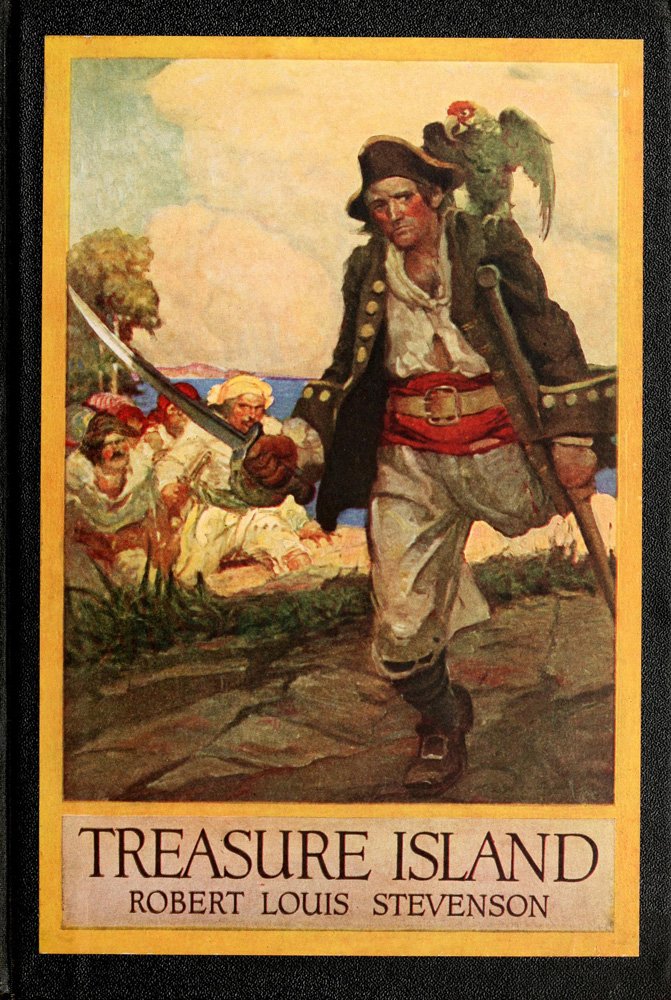
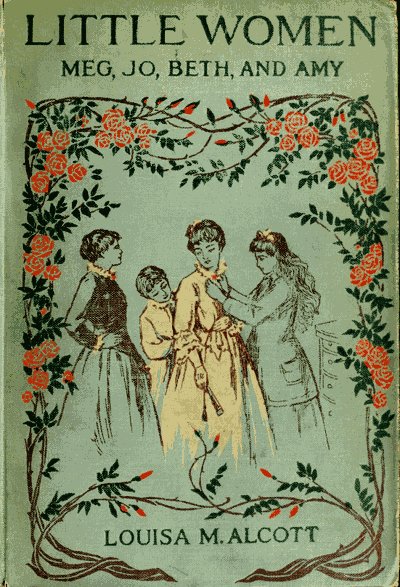
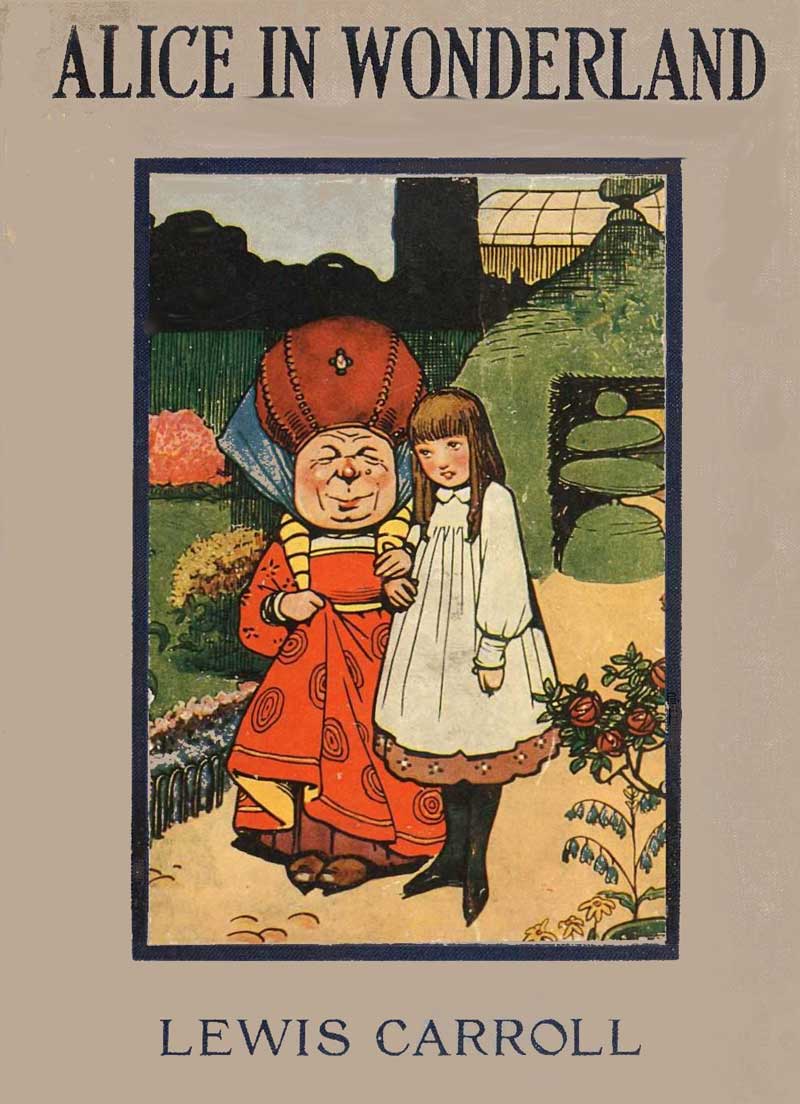
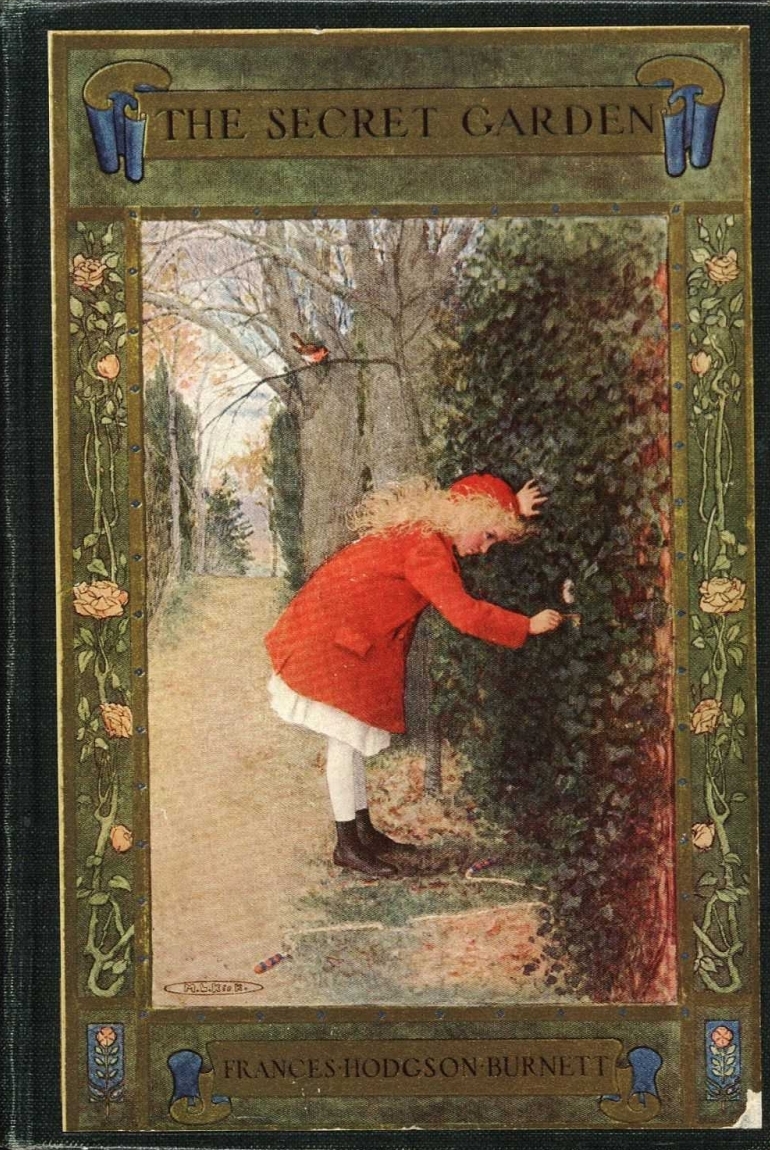
Walk into a bookstore and ask for Treasure Island and you’ll be handed any of five different books wearing the same title: the original, a lightly trimmed “young readers” edition, a heavily rewritten retelling, a graphic novel, or a picture-book version that keeps little more than the map. Amazon is worse, because the covers all look plausible and the word “classic” appears on every one of them.
None of these versions is a scandal. But they are different books, and most of the disappointment we hear about — “my daughter bounced right off it” or “that was not the book I remembered” — starts with a version mismatch, not a book problem. So here’s how to tell what you’re holding, and how to match it to your reader.
What “abridged” actually means
An abridgment shortens the original but keeps its sentences — trimming descriptions, condensing chapters. A retelling goes further and rewrites the prose entirely in simpler language: Classic Starts and Great Illustrated Classics both work this way, and the result reads two to four grade levels easier than the original. The listing won’t always use these words. Look for “retold by,” “adapted by,” a suspiciously low page count, or a reading age that starts at 6 for a book your own childhood remembers as hard.
The case for the original
The prose is most of what makes a classic a classic. Kipling’s rhythms, Alcott’s warmth, Stevenson’s weather — a retelling keeps the plot and loses the voice, and the plot was never the best part. There’s also a practical point that gets missed: a child’s listening comprehension runs years ahead of their reading level. A seven-year-old who can’t yet read The Jungle Book can follow it happily when you read it aloud. The read-aloud is the original abridgment-solver, and it costs nothing — every book on this site is the complete original text, free.
The case for the adaptation, told straight
Sometimes the mismatch runs the other way. A six-year-old wants Treasure Island now, not in third grade. A reluctant ten-year-old might give a beloved story one chance, and the original’s first slow chapter would spend it. A comics-first kid will read a graphic novel this weekend. In those situations a good adaptation isn’t a compromise, it’s a bridge — the child gets the story, the story earns the affection, and the affection gives the original a warm welcome a few years later. We’ve seen the sequence work in both directions, and the movie can serve the same purpose (we wrote about that here).
Three questions that settle it
- Who’s doing the reading? If you are, choose the original — your voice closes the difficulty gap. If the child is reading alone, match the edition to their level, not the book’s reputation.
- What’s the goal tonight? “Fall in love with this story” can be met by a retelling, a graphic novel, or a film. “Meet the actual book” can only be met by the actual book. Both are legitimate goals; just know which one you’re pursuing.
- What does the kid already love? Comics reader: graphic novel. Picture-driven reluctant reader: Great Illustrated Classics. Confident reader who’s simply young: Classic Starts now, original later. Strong reader with patience: skip the middle steps entirely.
One caution from experience: check what you’re buying before it ships. The single most common version mistake is accidental — a parent orders “the” book, a retelling arrives, and nobody notices until a re-reading adult wonders why Little Women feels thin. The words “unabridged” and “complete and unabridged” on the cover are the reassurance you want. Our ebooks are always the complete original — that part, at least, you never have to double-check.