The pitch
Orphaned by cholera in India, Mary Lennox is sent to live in her uncle’s huge, gloomy
house on the edge of the Yorkshire moors. Left to herself in a house of a hundred rooms,
nearly all of them locked, she hears about a walled garden that has been shut up since
her aunt died ten years before. With the help of a robin, a boy from the moor named
Dickon, and her own stubbornness, Mary begins to bring the tangled roses back, and soon
lets her sickly, bedridden cousin Colin in on the secret. As Dickon puts it, “there’ll
be a fountain o’ roses here this summer.”
What to know
At about 81,500 words in 27 chapters, this is a long, unhurried book to settle into.
Readers in grades 4 to 7 can manage it alone, and it reads aloud well from about age 7
or 8, especially if you have a go at the broad Yorkshire speech of Martha, Dickon and
the crusty old gardener Ben Weatherstaff. Burnett makes their meaning clear from the
context.
Nothing in it is frightening, but the first chapter is sad: Mary’s parents and her Ayah
die of cholera offstage, and Mary wakes to find herself alone in the silent bungalow.
Those opening chapters in India also carry the attitudes and racial language of 1911,
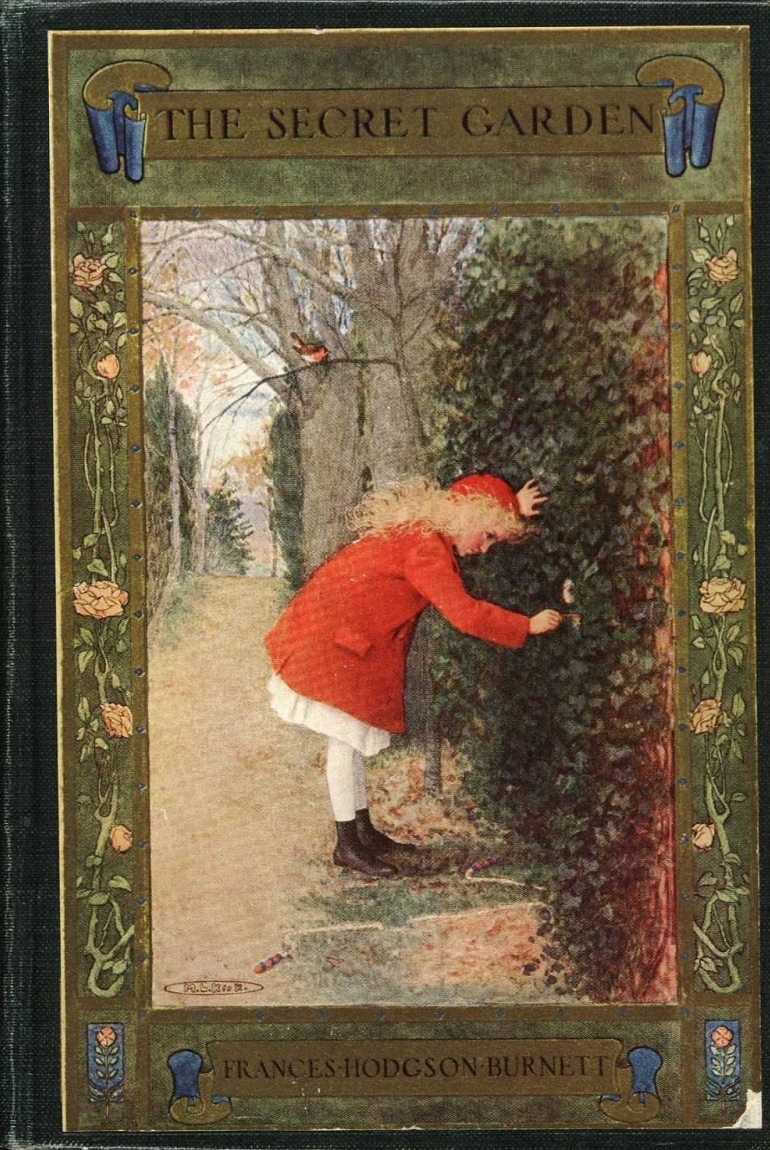
which the story leaves behind once Mary reaches Yorkshire. Our edition is the complete
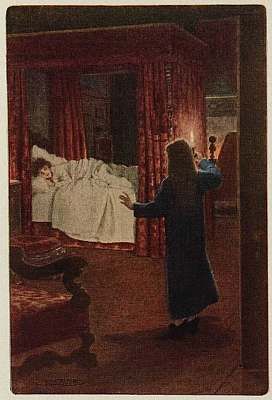
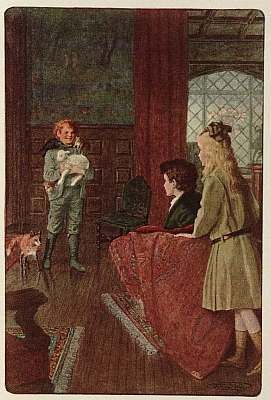
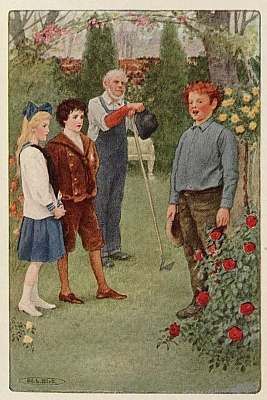
text of the 1911 American first edition from Frederick A. Stokes, with three of its
original color plates.
Life when written
Frances Hodgson Burnett was born in Manchester, England, in 1849. Her father died when
she was three, and in 1865 the family, short of money, emigrated to Tennessee and
settled near Knoxville. While still a teenager she began selling stories to magazines to
help pay the bills, and she went on to become famous with Little Lord Fauntleroy (1886)
and A Little Princess (1905). In December 1890 her elder son, Lionel, died of
tuberculosis in Paris, aged sixteen.
From 1898 until about 1907 she leased Great Maytham Hall in Kent, where she spent her
days in an old walled rose garden. A robin there grew tame enough to come to her, and
she later wrote about it in My Robin (1912). The Secret Garden ran as a serial in The
American Magazine in 1910 and 1911 and came out as a book in August 1911.