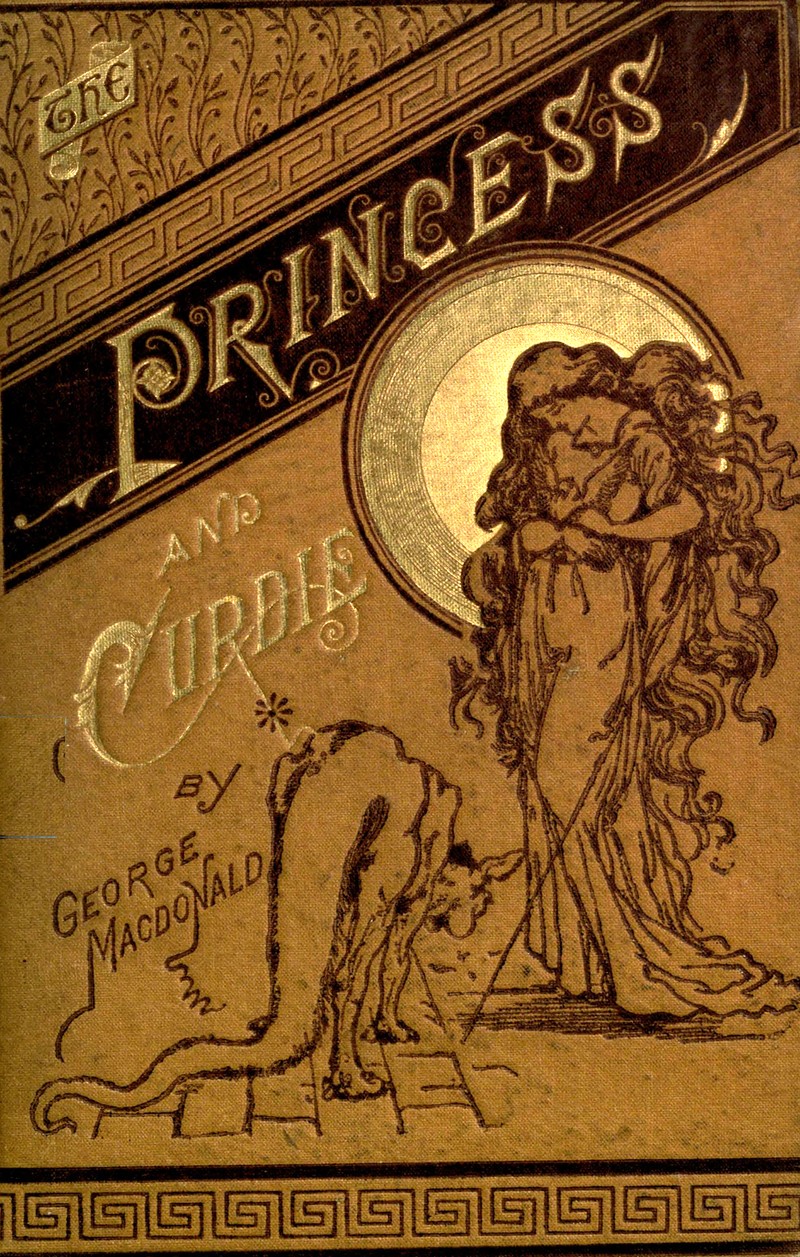
The pitch
A year after saving Princess Irene from the goblins, Curdie has grown careless, until
the pigeon he shoots turns out to belong to her mysterious great-great-grandmother. She
sends him north to the king’s city of Gwyntystorm, telling him to “be true” and
fearless, with Lina, a hideous beast, for company. The city has grown greedy and rotten.
Curdie finds the king being slowly poisoned by his own doctor while his ministers wait
to take the throne, and with Irene and an army of beasts, he sets out to put it right.
What to know
At about 56,700 words in 35 chapters, this moves at a steady pace. It reads aloud from
about age eight or nine, and children in grades five to eight can read it alone.
MacDonald’s prose is rich, and he stops to talk to the reader about things like
mountains, which to him are “beautiful terrors” and “a huge power of buried sunlight.”
The dialogue is plain and easy aloud.
It is darker than The Princess and the Goblin. It opens with Curdie shooting the pigeon
for fun. Lina breaks two dogs’ necks (Chapter 14), there is a battle with beasts mauling
an army (Chapters 32 and 33), and the king is being slowly poisoned by his own doctor
(Chapters 19 to 23). The ending is famous: Curdie and Irene rule well and die childless,
a greedy king mines away the city’s foundations for gold, and “the whole city fell with
a roaring crash.”
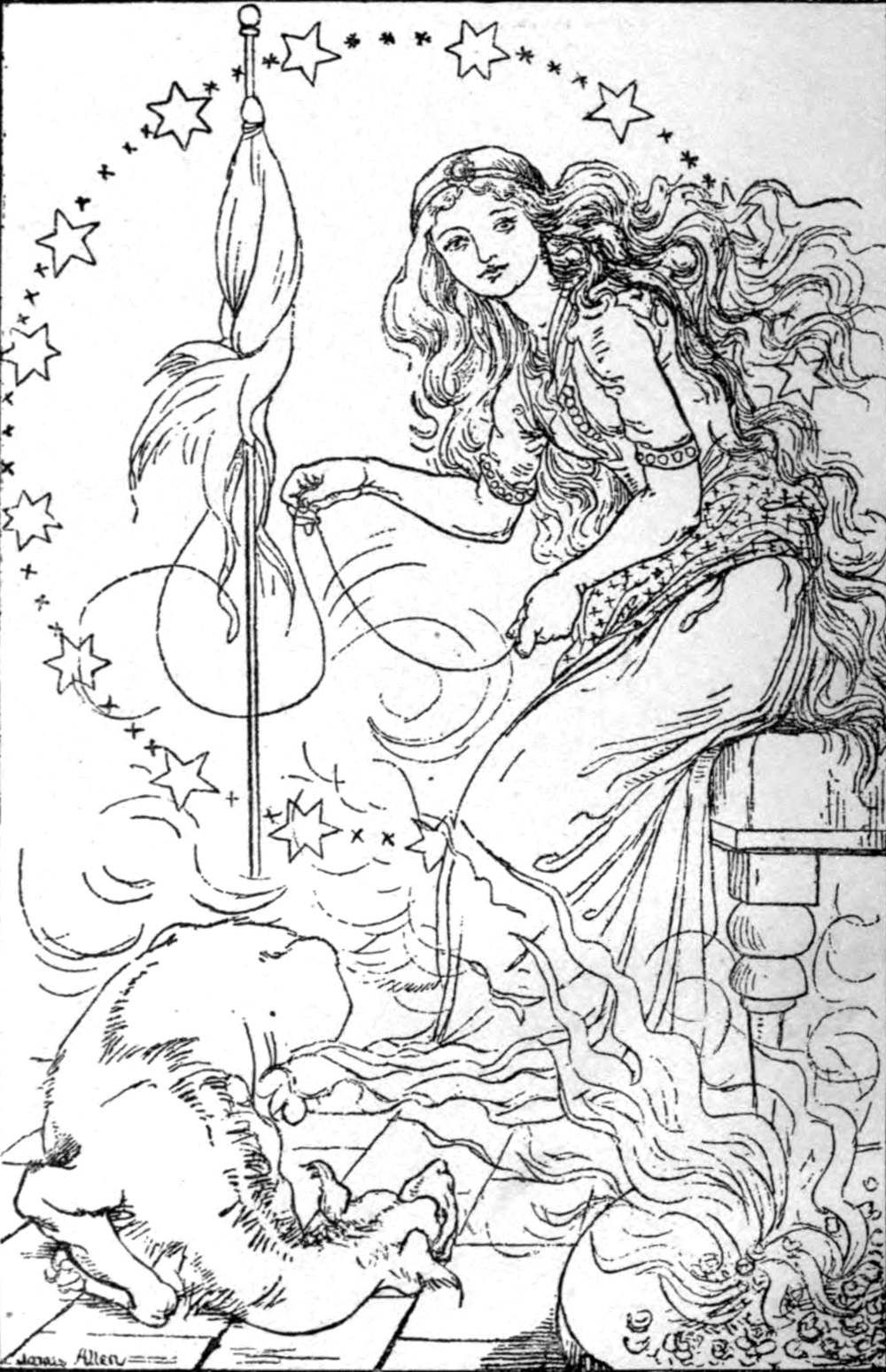
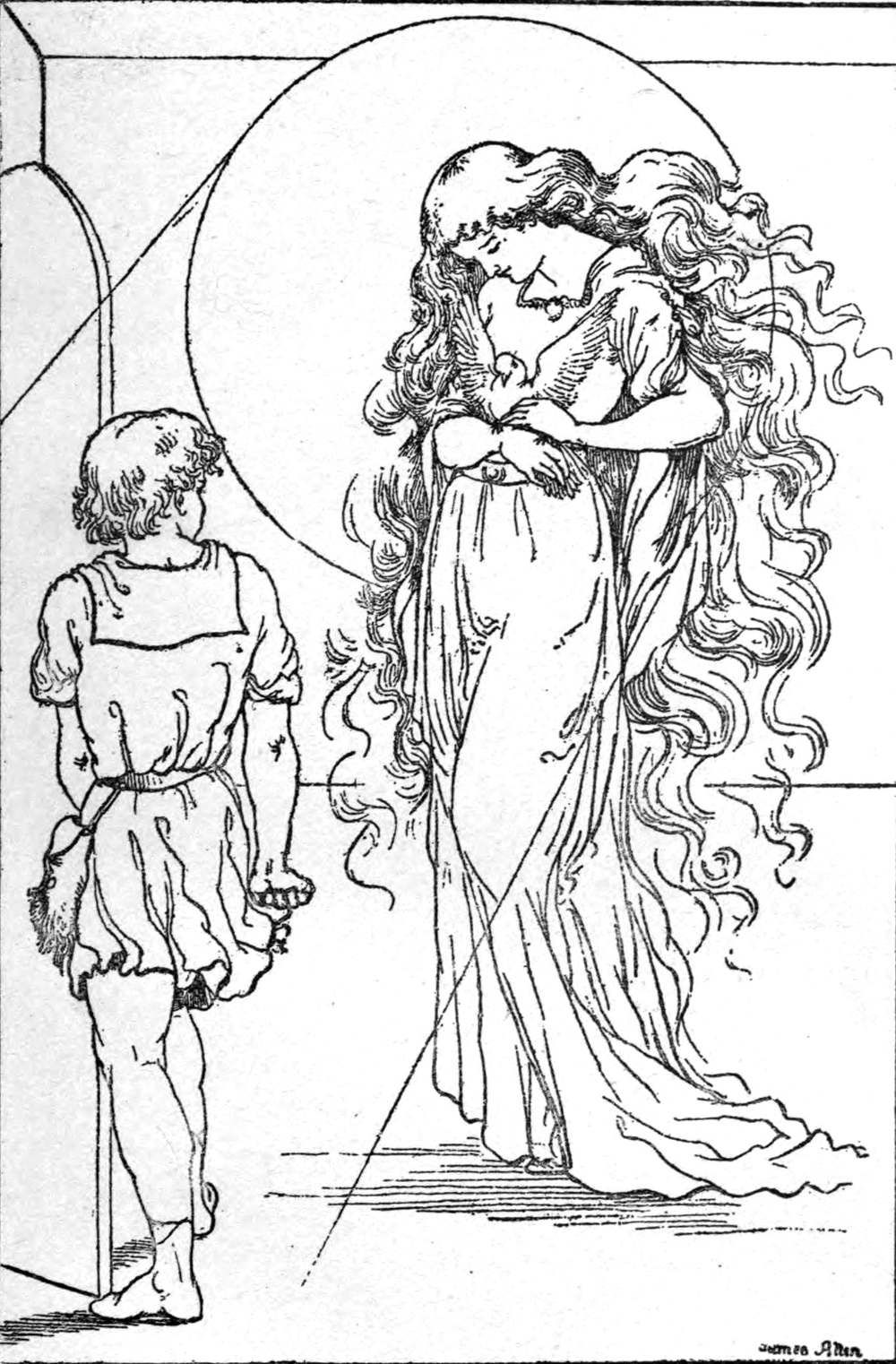
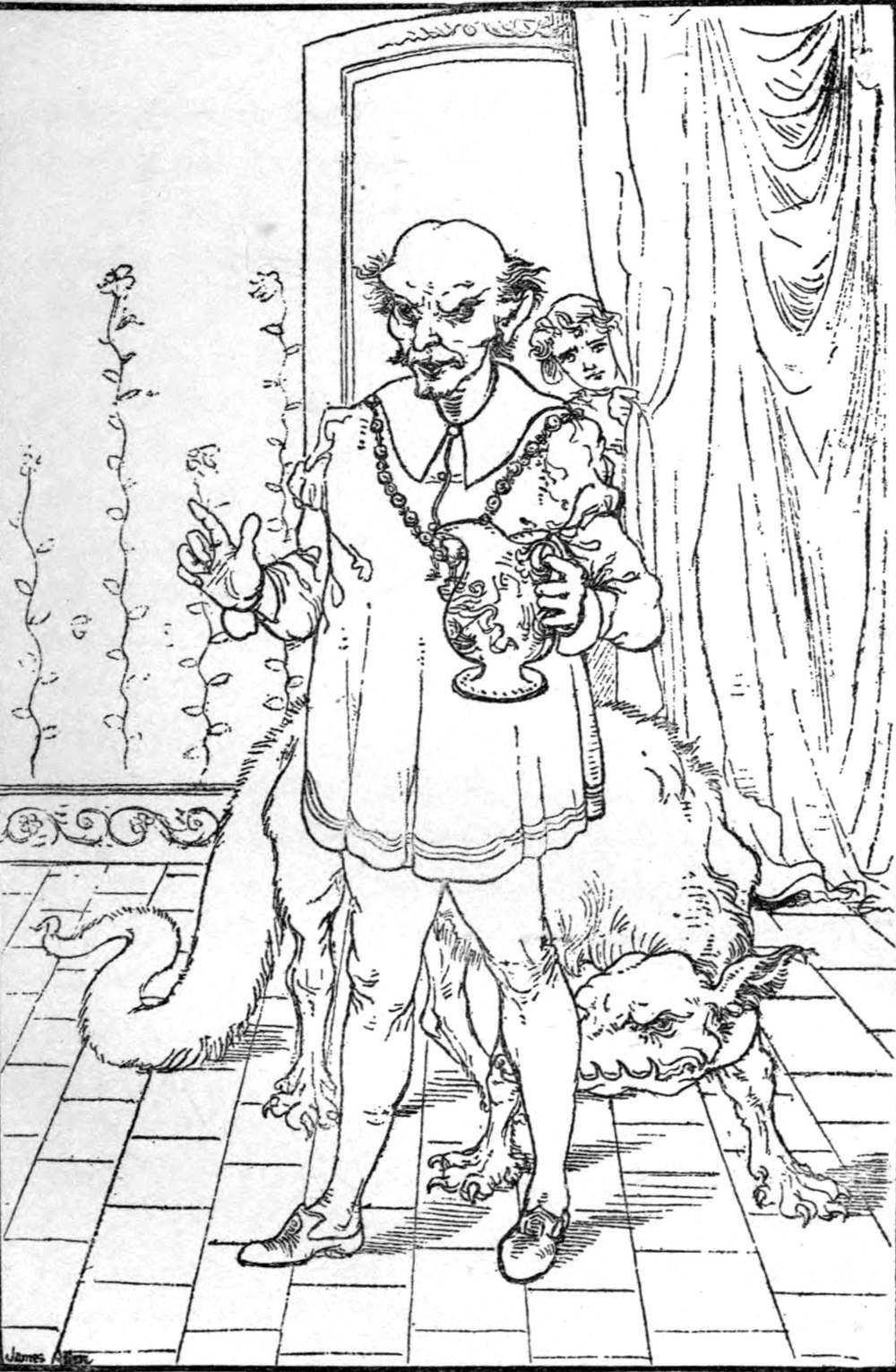
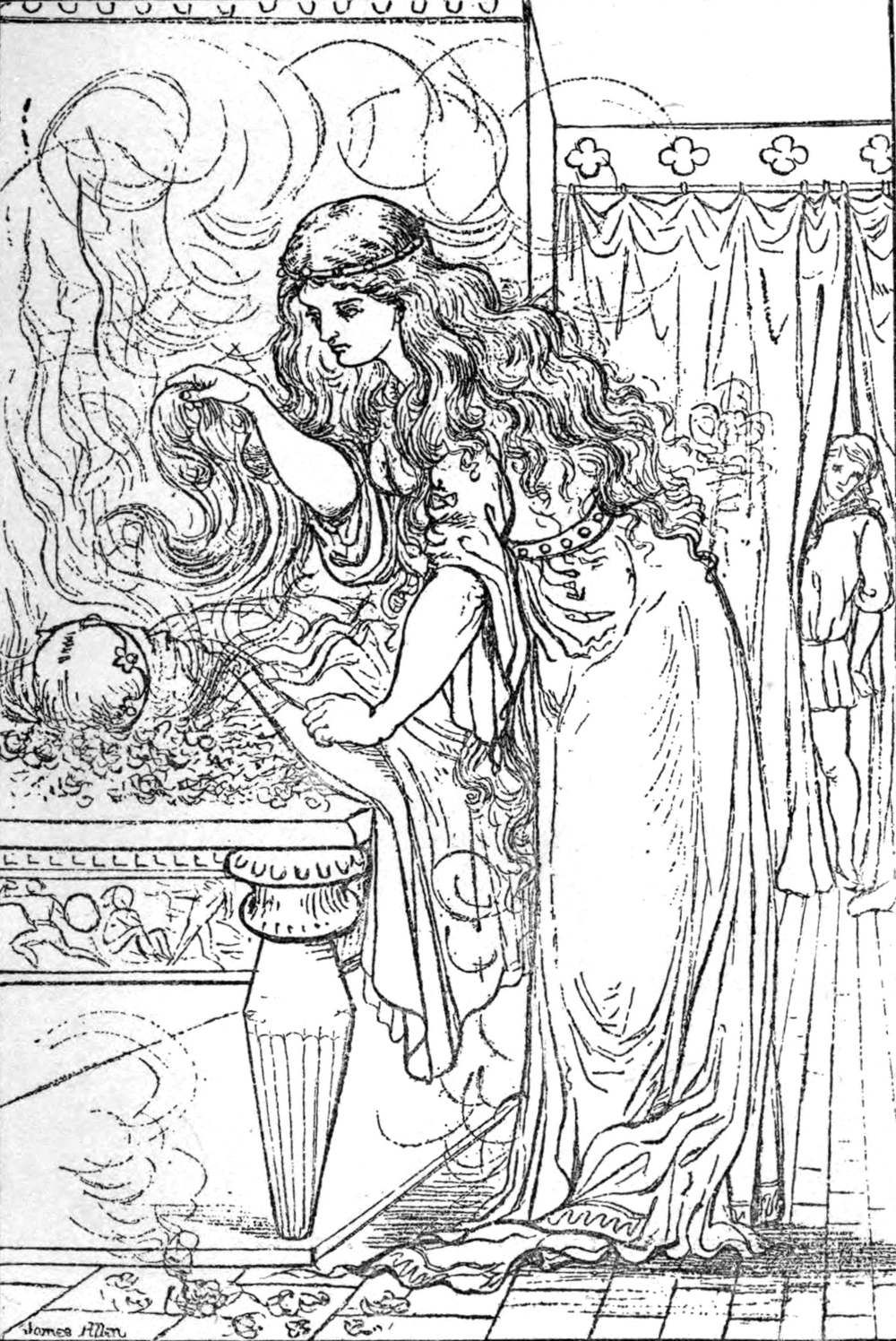
Our edition has the complete text with all eleven of James Allen’s drawings from the
1883 first American edition (J. B. Lippincott).
Life when written
George MacDonald was born in 1824 in Huntly, Aberdeenshire, in Scotland. He became a
Congregational minister, but his congregation at Arundel pushed him out in 1853 over his
ideas, and for the rest of his life he lived mainly by writing, lecturing and teaching.
He wrote, “For my part, I do not write for children, but for the childlike, whether of
five, or fifty, or seventy-five.”
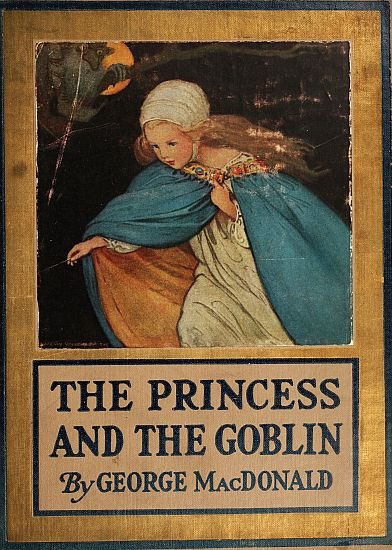
The Princess and Curdie is the sequel to The Princess and the Goblin (1872). It ran as a
serial in the magazine Good Things for the Young in 1877 and came out as a book in 1883.
In it the miners’ mountain is the same, but the world beyond it has gone wrong: in
Gwyntystorm the first priest preaches on the text “Honesty is the best Policy.” C. S.
Lewis later wrote of MacDonald, “I have never concealed the fact that I regarded him as
my master.”