The pitch
Roberta, Peter and Phyllis live a comfortable life in London until the evening two men
call and Father goes away with them. Mother takes the children to Three Chimneys, a
house in the country, where they must “play at being Poor for a bit” while she writes
stories to pay the bills. Below the house runs the railway. The children make friends
with Perks the porter, the station master, and an old gentleman who waves from the 9.15.
Between saving a baby from a burning canal barge, taking in a Russian exile and stopping
a train, Bobbie learns the truth about why Father is in prison, and asks the old
gentleman for help.
What to know
At about 60,100 words in 14 chapters, The Railway Children reads aloud well from about
age six or seven, and suits readers in grades 4 to 7 on their own. Nesbit’s voice is
brisk and chatty, full of asides to the reader, and apart from a few Edwardian words
like “pinafore” and “perambulator,” the language is easy going.
There is real sorrow in it. Father is arrested in the first chapter and sent to prison
for a crime he did not commit, and the family is suddenly poor, often cold and hungry. A
Russian writer describes being sent to Siberia in chains. A landslide nearly wrecks a
train, and a schoolboy breaks his leg in a dark tunnel. Our edition is the complete
text, with Nesbit’s dedication to her son Paul, “behind whose knowledge of railways my
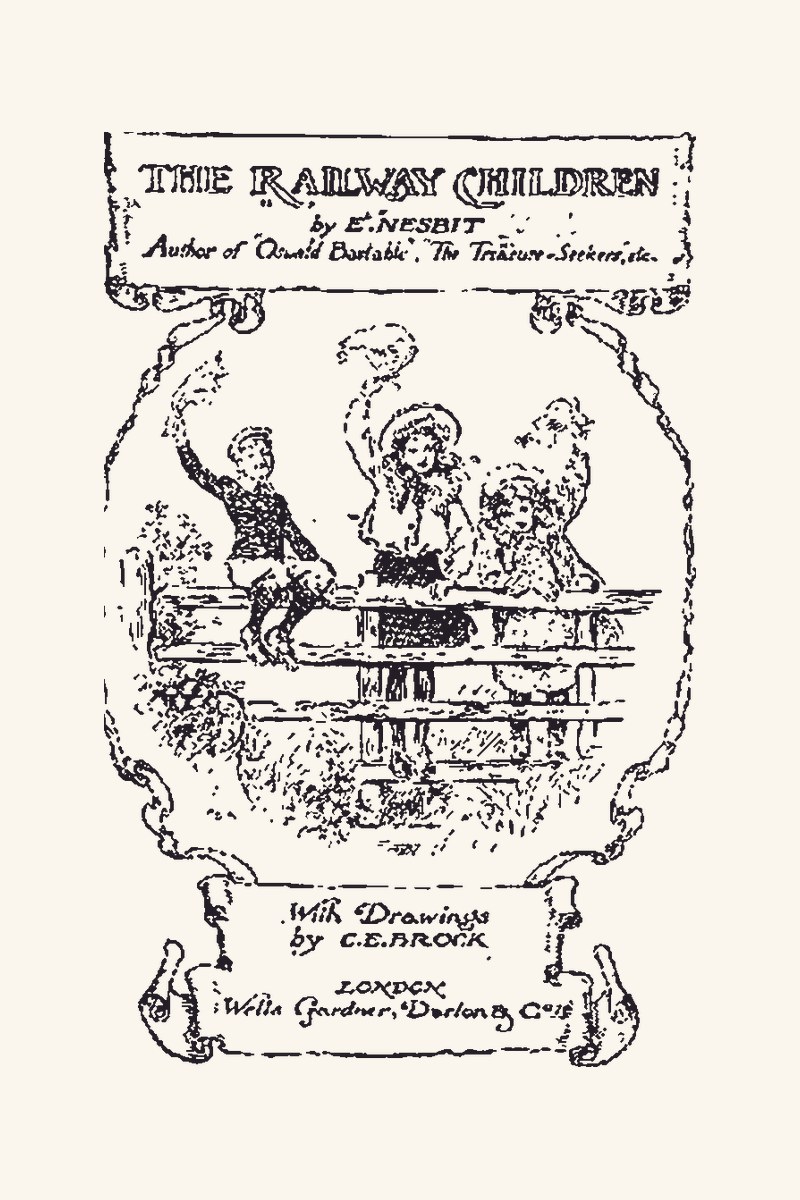
ignorance confidently shelters.” It has no pictures.
Life when written
Edith Nesbit was born in Kennington, London, in 1858. Her father died when she was
three, and she went to schools in France and Germany as the family moved about. In 1880
she married Hubert Bland. He was a founding member of the socialist Fabian Society in
1884, and she was one of its earliest members. Much of the time, her writing kept the
household going.
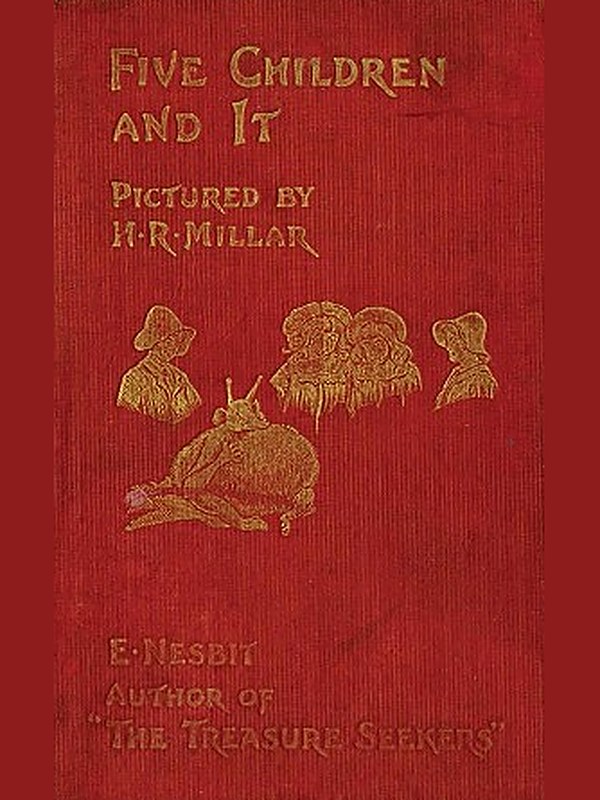
The Story of the Treasure Seekers (1899) and Five Children and It (1902) made her name
as a children’s writer. The Railway Children ran as a serial in The London Magazine in
1905 and came out as a book in London in 1906.