01
Mr. Toad
Rich, vain, obsessed with motorcars, utterly without self-control — Toad is the funniest disaster in children's literature, and kids adore him.
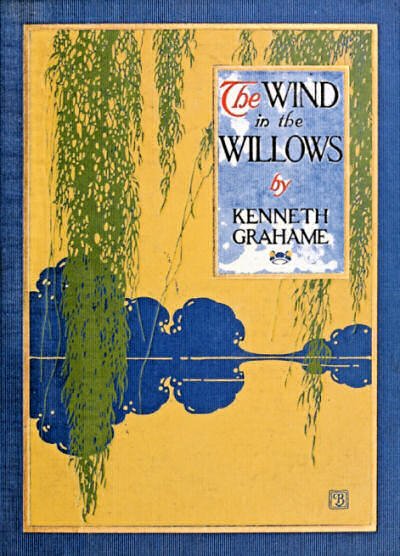
Mole, Rat, Badger, and the insufferable, unforgettable Mr. Toad — the gentlest adventure in the canon.
EPUB works on any device · two-minute setup guide → ·listening, print & film links go to Amazon (affiliate)
Rich, vain, obsessed with motorcars, utterly without self-control — Toad is the funniest disaster in children's literature, and kids adore him.
Picnics, riverbanks, snug winter dens — half the book is pure coziness, the literary equivalent of a blanket fort.
The animals bail Toad out, tell him off, and take back Toad Hall by force — loyalty here means doing something about it.
A mole abandons spring cleaning, discovers the river, and falls in with a water-rat, a gruff badger, and a wealthy toad with a fatal weakness for motorcars. Half the book is the coziest idyll in English; the other half is Toad’s magnificently self-inflicted catastrophe, complete with prison break and the armed recapture of Toad Hall.
The riverbank chapters are slow on purpose, and they make a lovely bedtime read-aloud, with Paul Bransom’s 1913 plates in our edition. The prose runs lyrical. One chapter, “The Piper at the Gates of Dawn,” is practically a poem; some kids are transfixed and others fidget, and both are normal. When attention flags, Toad’s chapters are pure comedy and carry any listener through.
Grahame spent his working life at the Bank of England and his happiness on the Thames, where Edwardian England had made a craze of rowing, picnic hampers, and messing about in boats. The motor-car was brand new in 1908 — loud, dusty, and alarming on country lanes that had always belonged to carts and horses. Toad’s poop-poop obsession was the newest mania of the age, satirized the very year it was happening.
Modern books (still in copyright, so not free) that scratch the same itch.
The other great gentle animal world — still in copyright, still the natural next hundred-acre step.
Small animals, big friendship, and a cozy corner of a big world — the American cousin of the riverbank.
Affiliate links. They never affect our picks.
Prefer a printed copy? Puffin Classics paperback (affiliate links). Not sure whether your reader needs the original or an abridged edition? Our guide to choosing →
Send the free EPUB to your Kindle with Amazon's free Send to Kindle — it appears in the library like any book.
Opens straight in Apple Books. Tap the file, choose Books, done — great for bedtime read-alouds.
Google Play Books opens it in a couple of taps, and syncs your place across devices.
Apple Books on a Mac, or the free Calibre app on Windows. No account needed.
We shelve it for grades 3–6 — that's where the language and the length sit for a reader on their own. Read aloud, it works earlier, from about age 6–7 — kids follow a story by ear well before they can read it alone.
The unabridged text measures 1140L Lexile, AR level 8.2 (11 points). In everyday terms: grades 3–6, and easier as a read-aloud.
None.
Yes — the complete, unabridged text, with the original Paul Bransom illustrations. The Wind in the Willows was published in 1908, so it's in the US public domain: sharing it free is legal, and there's no signup or catch. We build the ebook ourselves from the original edition.