HomeWhat to read nextDiary of a Wimpy Kid

Classic books for kids who love Diary of a Wimpy Kid

Wimpy Kid trains a very specific reader: one who wants to laugh, distrusts anything that smells like homework, and loves a narrator who schemes. The classics below are what that taste grows into.

Wimpy Kid gets treated as a guilty pleasure by exactly the kind of adult its readers distrust. We’d rather take it seriously: Jeff Kinney trains kids to expect a strong narrative voice, comic timing on every page, and a story about ordinary life rather than dragons. Those are real literary tastes — and the classic shelf has been serving them since 1876.

The difficulty jump is real and worth being straight about. Kinney’s sentences are short; Twain’s and Grahame’s are not. The bridge that works in our experience is the read-aloud chapter: you read the fence-painting con or Toad’s first motorcar aloud, the kid laughs, and the question “is this book too hard?” quietly becomes “what happens next?” Every book below is free and complete, so the experiment costs nothing if it’s a miss.

The free classics, matched

1

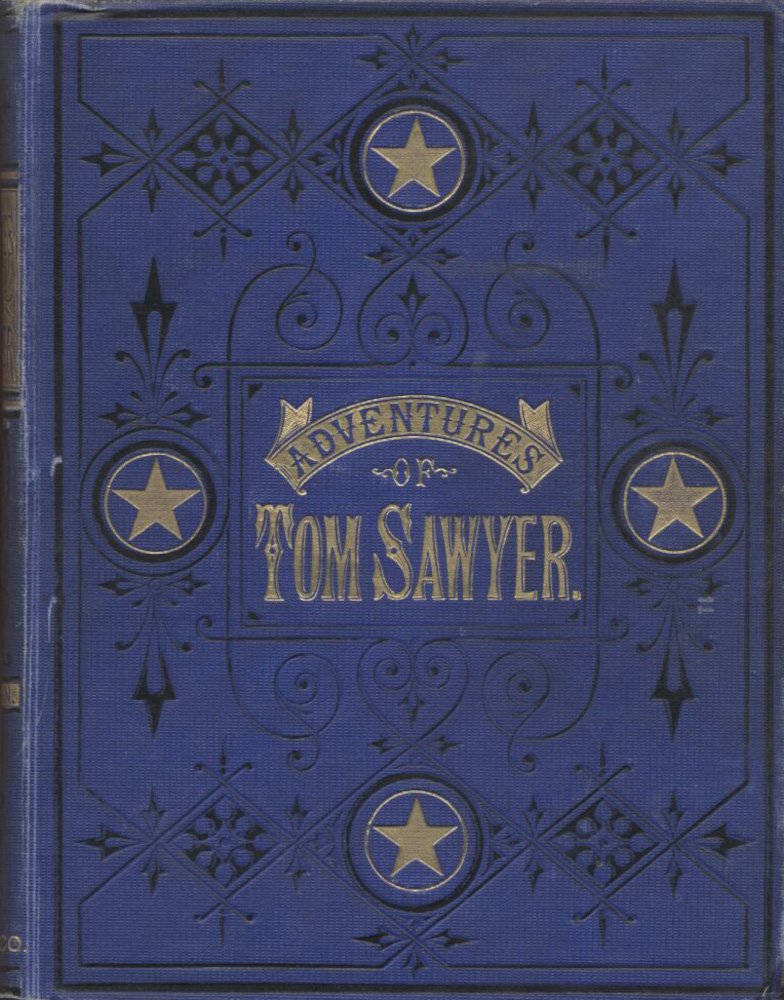
The Adventures of Tom SawyerMark Twain · grades 5–8

Greg Heffley's great-great-grandfather. Tom cons his friends into paying him to paint a fence, fakes his own funeral attendance, and engineers schemes that collapse exactly the way Greg's do. The sentences ask more than Kinney's — read the first chapter aloud to get a reluctant reader over the doorstep, then see if they carry it.

2

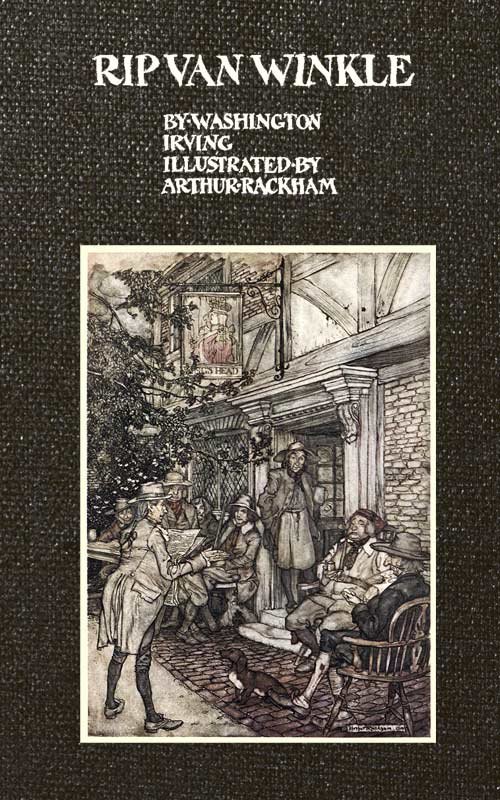
Rip Van WinkleWashington Irving · grades 4–7

The shortest book on our shelf, and a comedy: a man ducks his chores so thoroughly he sleeps twenty years. The prose is older and denser than it looks, so this one works best read aloud — about two evenings, with Rackham's paintings to pore over between laughs.

3

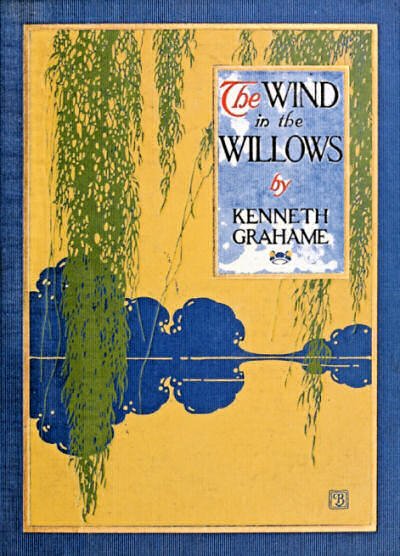
The Wind in the WillowsKenneth Grahame · grades 3–6

Mr. Toad is the funniest ego in children's literature — rich, deluded, obsessed with motorcars, constantly arrested. A Wimpy Kid reader recognizes the type instantly. The Toad chapters are the hook; the gentler riverbank chapters are what the book sneaks in while they're laughing.

When they want something new again

Modern series (in copyright, so not free) that carry the same appeal forward.

The Terrible Two by Mac Barnett and Jory John

A prank war between two master schemers — the same comic machinery, a notch more plot.

Holes by Louis Sachar

The step up: still funny, still kid-versus-absurd-world, but with a real mystery clicking underneath. The classic bridge out of the diary genre.

Big Nate series by Lincoln Peirce

The nearest neighbor — comics-forward, school-centered, reliably funny. Zero-friction next series.

Affiliate links. They never affect our picks.

Quick answers

What should my kid read after Diary of a Wimpy Kid?

Stay inside the appeal — funny, fast, a kid narrator with schemes — and widen it gradually. Big Nate and The Terrible Two are the no-risk lateral moves; Holes adds plot without losing the comedy. On the classic shelf, Tom Sawyer is the same scheming-kid comedy at higher difficulty, and Mr. Toad's chapters in The Wind in the Willows are the fastest laugh on the shelf. The mistake is jumping from Wimpy Kid to a 'serious' novel because it feels like progress — follow the funny instead.

My kid only reads Diary of a Wimpy Kid — is that a problem?

Rereading a loved series is normal reader behavior, not a rut — adults do it too. Volume of reading matters more at this stage than variety. What we'd do: let the rereads continue, and separately add one read-aloud from the classic shelf (Tom Sawyer's fence chapter is a reliable opener), so the harder book arrives through your voice with none of the risk landing on them.