The pitch
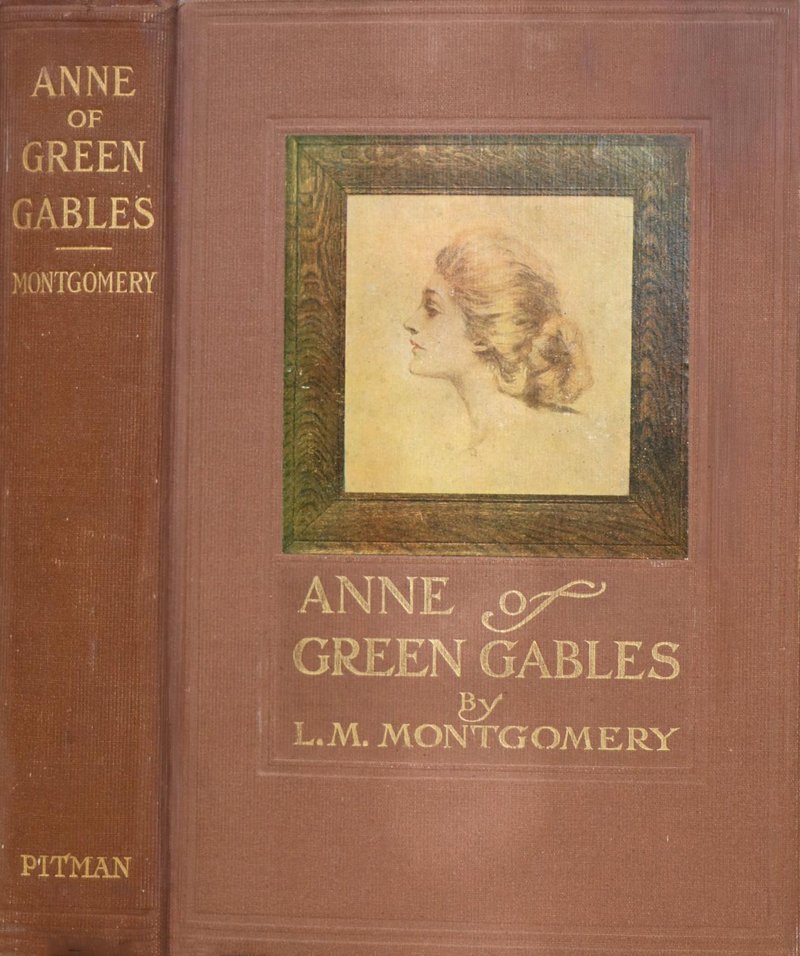
When Matthew and Marilla Cuthbert, an aging brother and sister on a Prince Edward Island
farm, send for a boy to help with the chores, a mix-up at the orphan asylum puts
eleven-year-old Anne Shirley on the platform at Bright River instead. Talkative, loyal
and quick-tempered, Anne wins over quiet Matthew on the buggy ride home, though Marilla
means to send her straight back. Over thirty-eight chapters, Anne earns her place at
Green Gables, swears eternal friendship with Diana Barry, carries on a fierce rivalry at
school with Gilbert Blythe, and grows from a lonely waif into a young woman ready for
the wider world.
What to know
Anne of Green Gables runs to about 103,400 words in 38 chapters. Readers in grades 5 to
8 can manage it on their own, and it reads aloud well from about age 7 or 8. The
language is clear and lively, and Anne’s love of “big words” for her “big ideas” is half
the fun of reading her speeches out loud.
Nothing in it is frightening. Most of the trouble is comic: Anne gets Diana drunk by
mistake on currant wine in Chapter 16, and in Chapter 28 she nearly drowns playing
Tennyson’s Lily Maid in a leaky flat on the pond. The real sorrow comes near the end, in
Chapter 37, when Matthew dies suddenly of heart trouble. For many readers it is their
first real grief in a book. Our edition is the complete text, without illustrations.
Life when written
L. M. Montgomery was born in 1874 in Clifton, Prince Edward Island. Her mother died of
tuberculosis before Maud was two, and her father left her to be raised by her strict
grandparents in Cavendish, near the farmhouse of her grandfather’s cousins David and
Margaret Macneill, the house that inspired Green Gables. She trained as a teacher at
Prince of Wales College, studied for a year at Dalhousie University, and in 1898 went
home to Cavendish to live with her widowed grandmother and help run the post office from
the farmhouse kitchen, writing magazine stories in her spare hours.
In about 1905 she came across an old note in her notebook: “Elderly couple apply to
orphan asylum for a boy. By mistake a girl is sent them.” She wrote the book over the
following months. Five publishers turned it down, and she put it away “in an old hat-box
in the clothes room.” Finding it again one winter day, she tried once more, and L. C.
Page of Boston took it. It came out in June 1908, the first of eight books about Anne.
Montgomery said of it, “I wrote it for love, not money.”